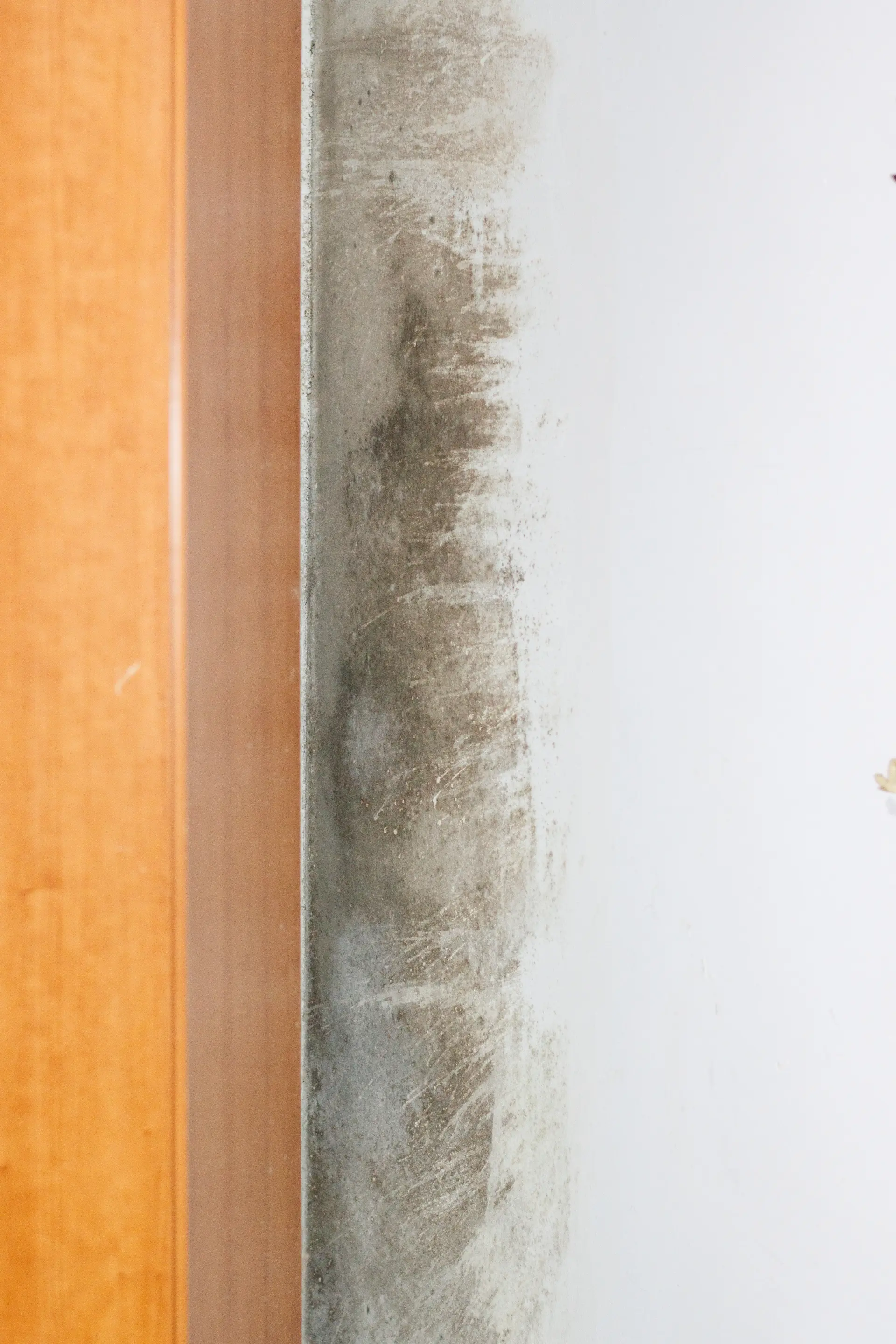
Looking for tips to prevent damp in your home? Learn how good ventilation, heating, and leak checks can help maintain a healthy, mould-free environment.
Keeping your home free from damp is key to making it a safe, healthy, and comfortable place to live. Moisture problems can damage your walls, ceilings, and floors. They can also lead to mould and other health risks if not dealt with early.
Why Preventing Damp Is Better Than Fixing It
Preventing damp is almost always easier and cheaper than fixing it once it appears. If moisture gets deep into the walls or structure of your home, it can take a long time to dry out and repair.
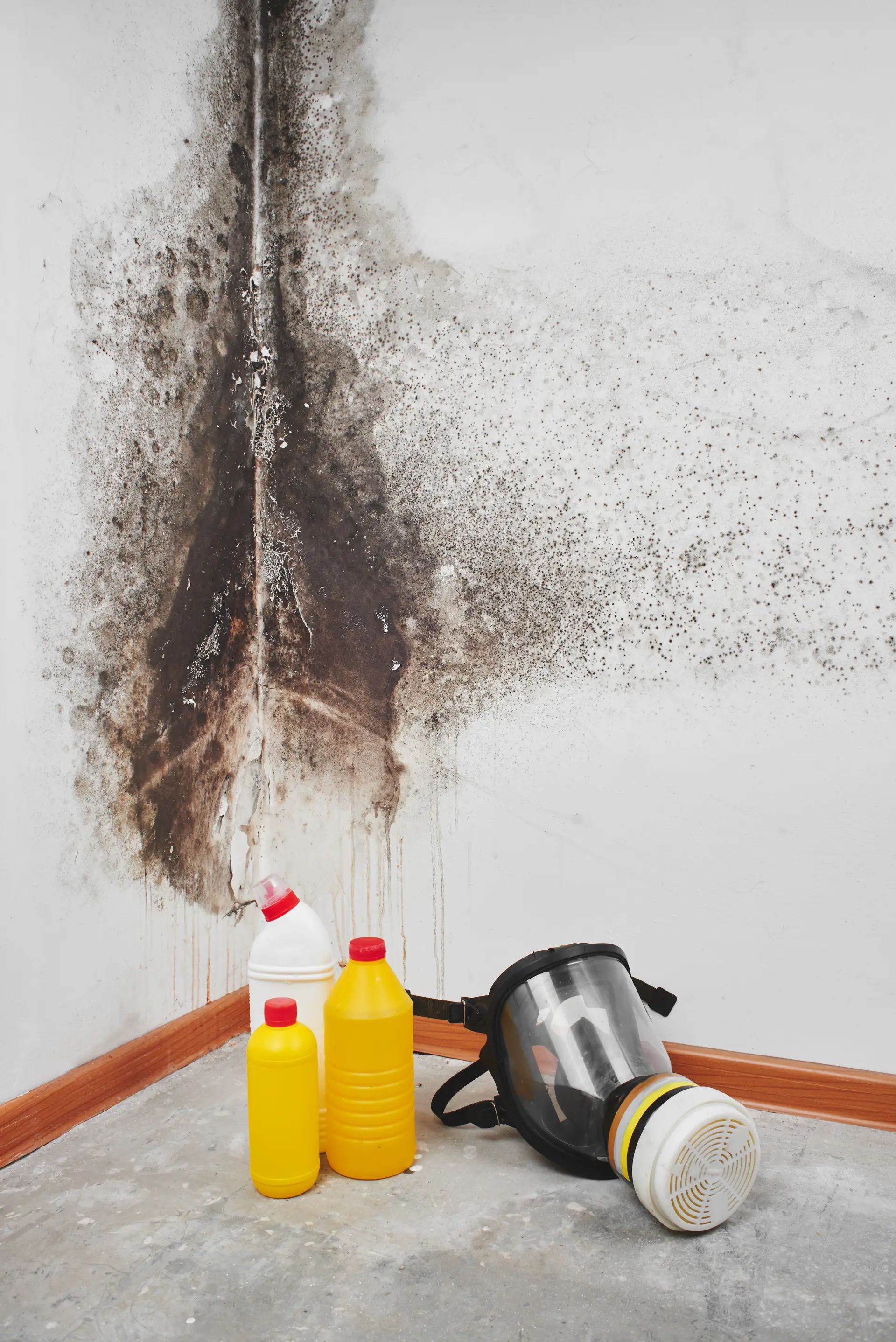
You may end up needing to repaint, replace plaster, or remove damaged furniture. Mould can grow quickly in damp conditions, which can lead to breathing problems or worsen allergies.
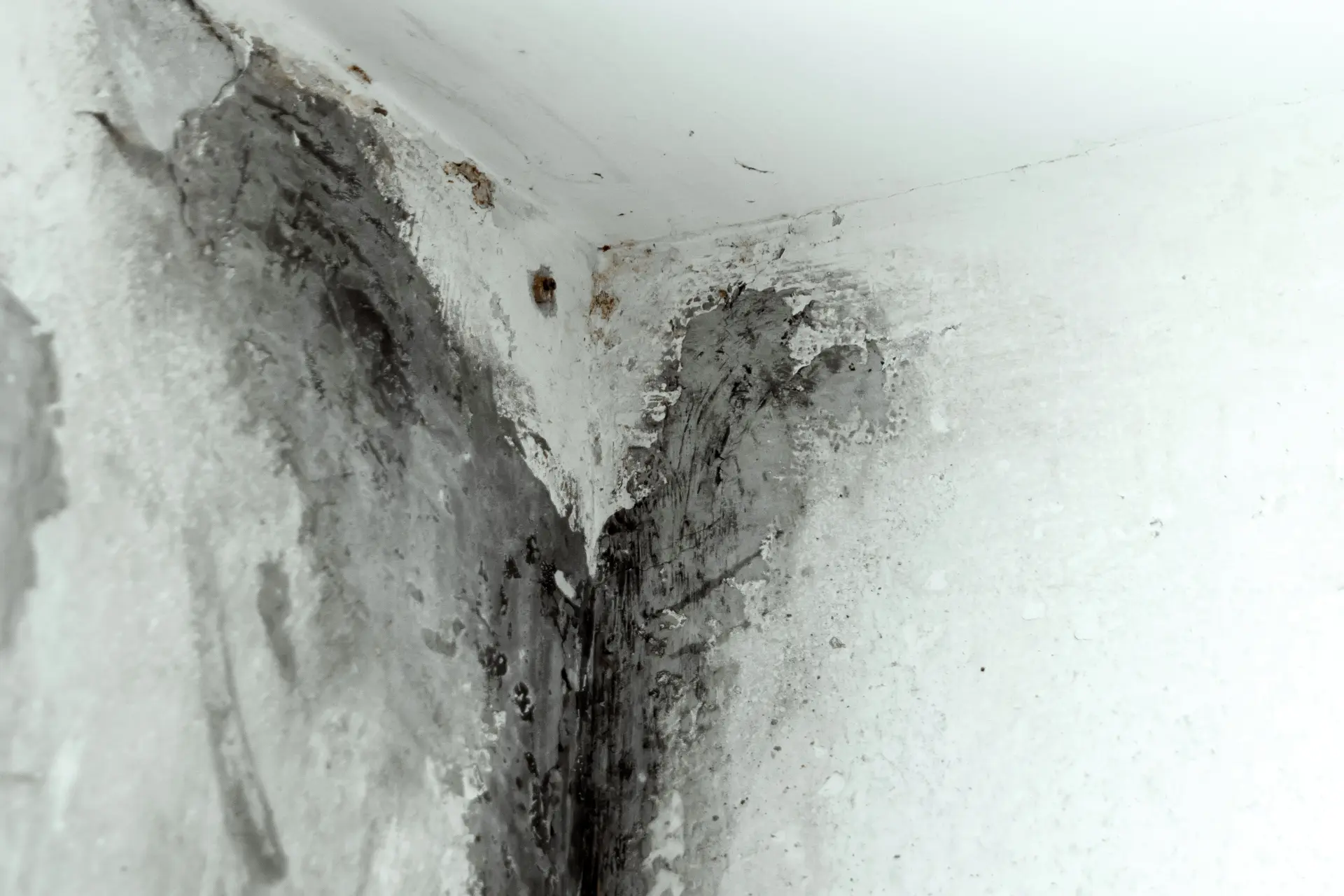
Preventing damp also keeps your home looking and smelling fresh. You can avoid that musty smell and unsightly patches on the walls or ceilings by acting early.
Keep Your Home Well Ventilated
Air needs to move around your home to stop moisture from building up. Poor ventilation is one of the main causes of condensation, especially in rooms like the bathroom, kitchen, and bedrooms.
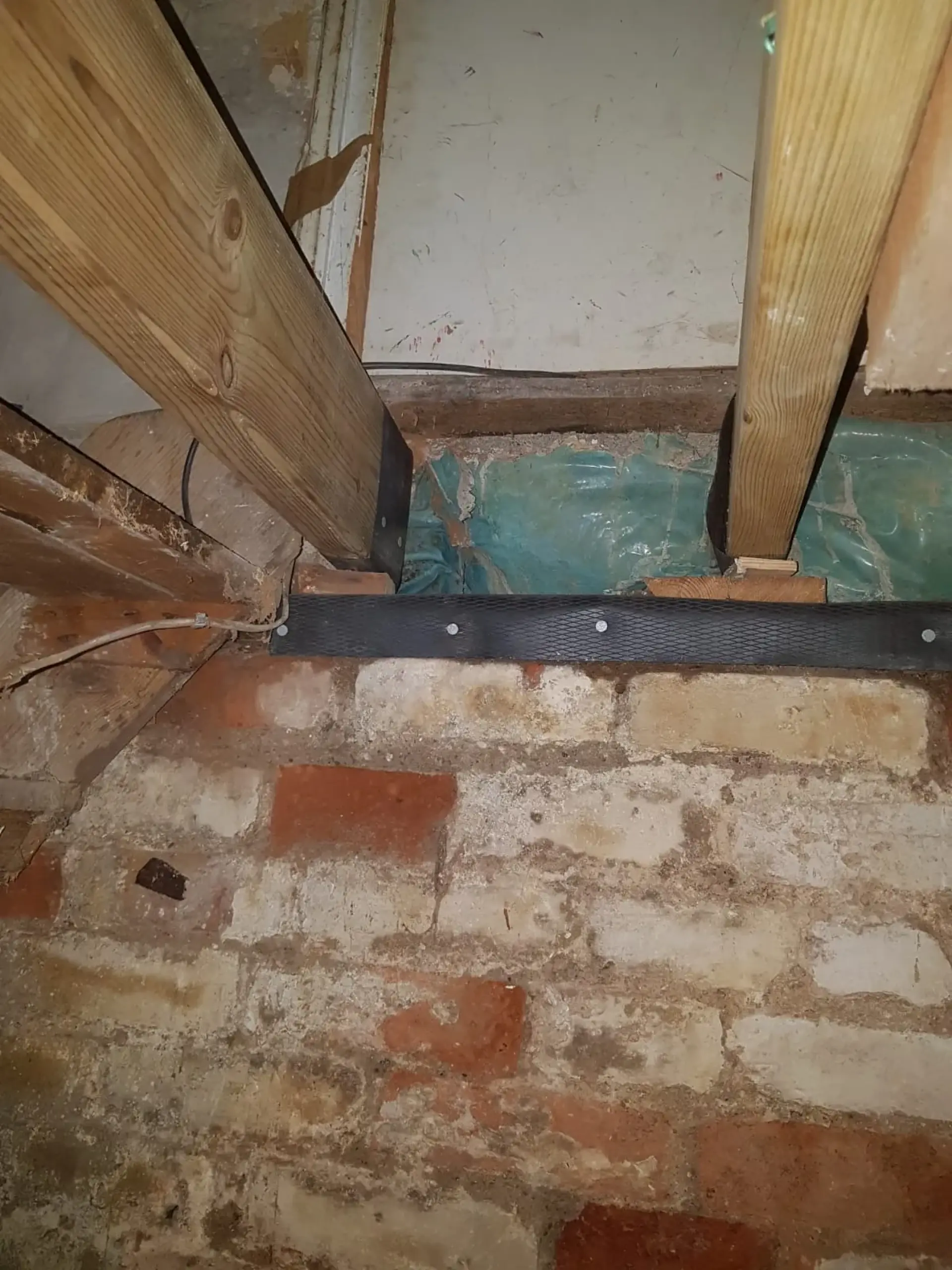
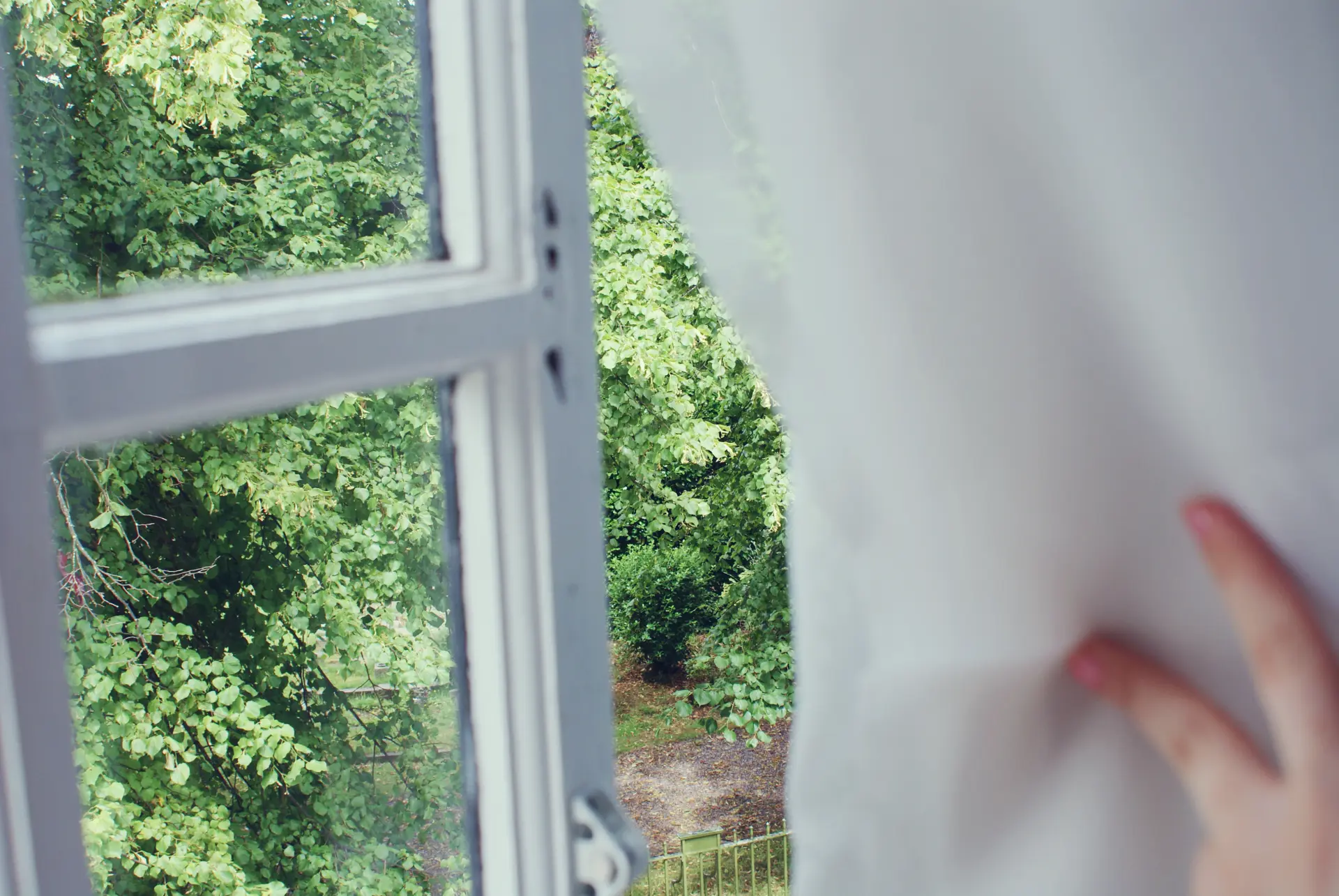
Open your windows each day, even if it is just for a few minutes. This helps fresh air come in, and stale, damp air goes out. Use trickle vents if you have them, and avoid blocking air bricks or vents on your walls.
In places where air gets trapped, like behind furniture or in small rooms, consider using a dehumidifier to reduce water in the air.
Use Heating Properly to Control Moisture
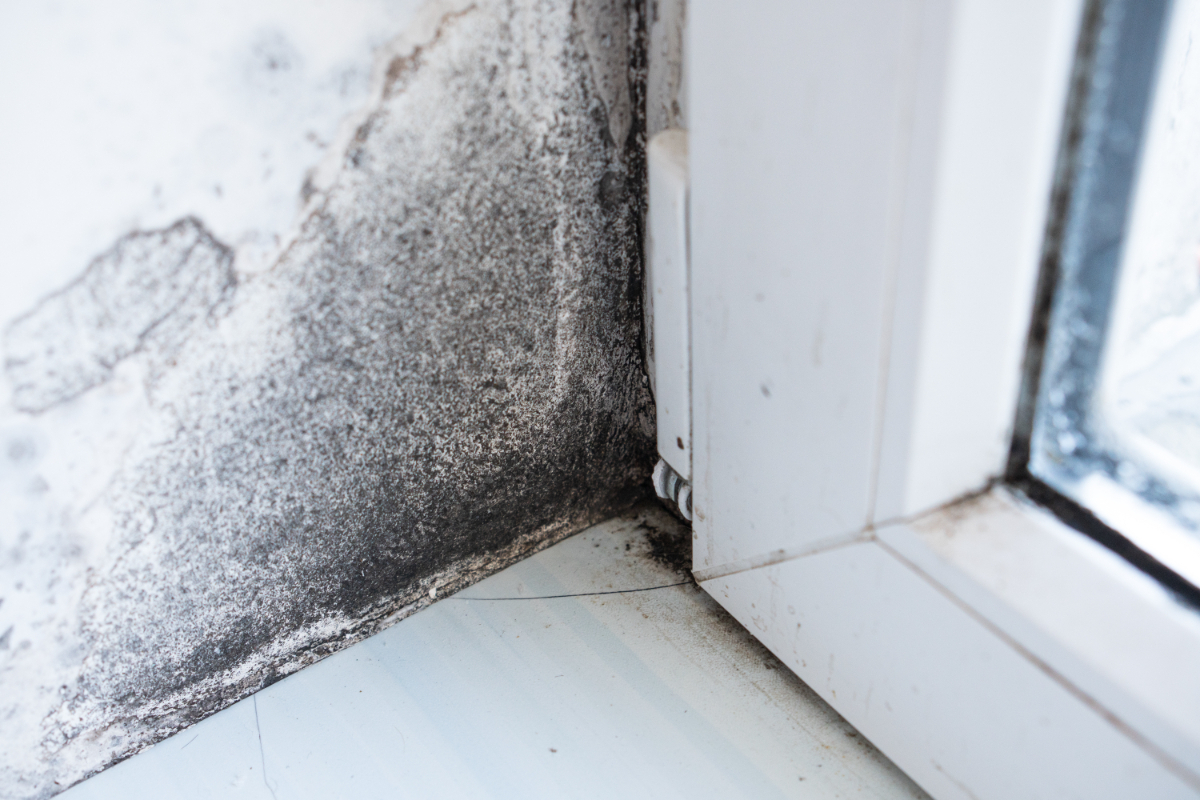
Sudden changes in room temperature can cause condensation. When warm air hits a cold surface like a window or wall, it turns into water. This is why proper heating is important.
Try to keep your home warm and steady. Heating one room while leaving others cold can lead to moisture moving around and settling on cold surfaces.
Using your central heating evenly across the home is much better than using portable heaters in one room. Keeping your home warm also helps walls stay dry.
Check for Leaks in Roofs, Walls and Pipes
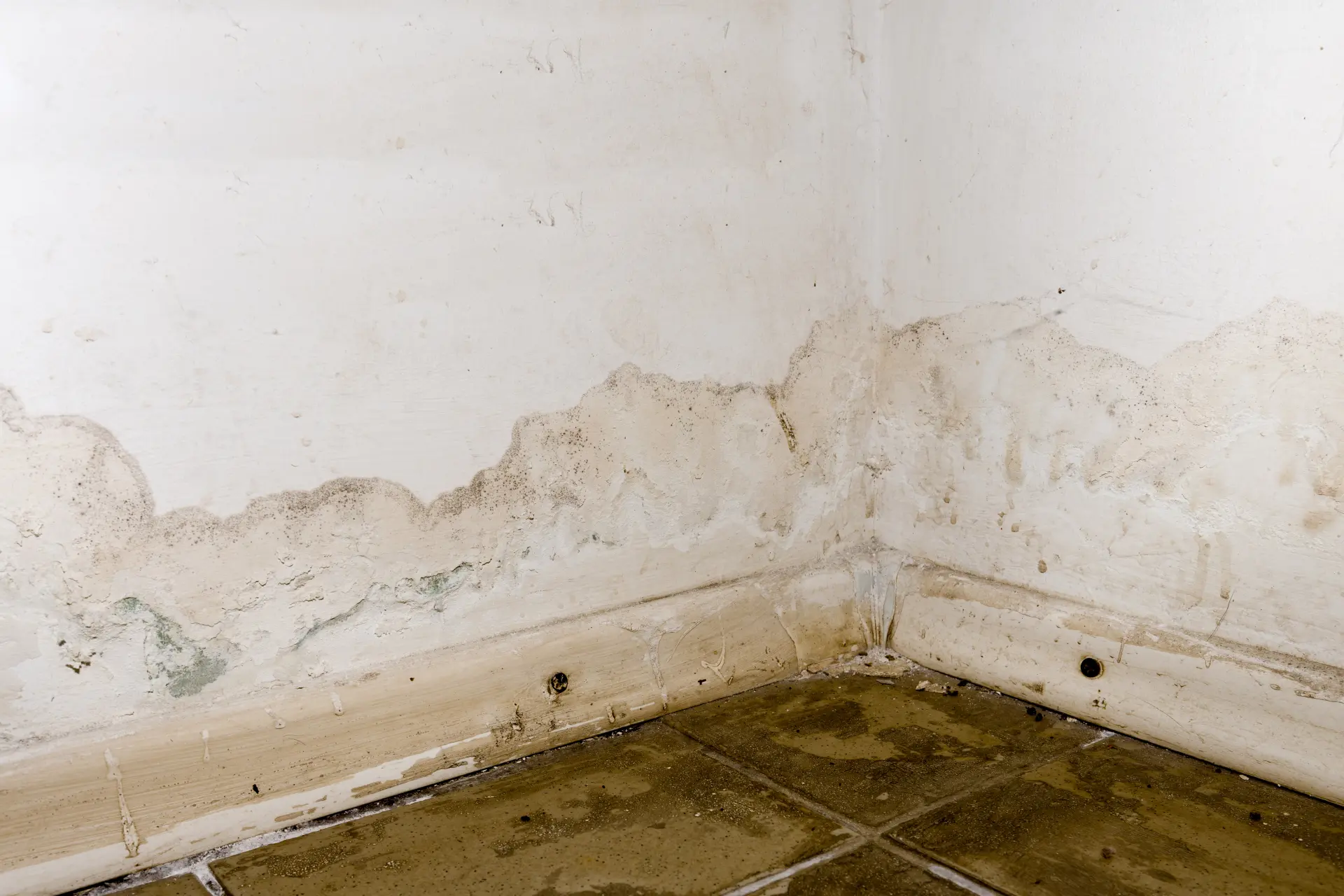
Leaks are a hidden cause of damp. Even a small drip can create a big problem over time. You should check your roof for loose or missing tiles, and check gutters to make sure they are not blocked.
Inside the home, look at your pipes, taps, and joints for signs of water. Damp patches on walls, ceilings, or near sinks could mean a pipe is leaking behind the surface.
Fixing a small leak early can stop it turning into a large and expensive issue.
Dry Clothes Outside or Use a Ventilated Dryer
Drying clothes inside creates a lot of moisture. If you hang wet clothes on radiators or chairs without proper airflow, the water from the clothes ends up in the air and then onto your walls and windows.
This leads to condensation, which may result in mould growth. If possible, dry your clothes outdoors. If you need to dry them indoors, use a vented tumble dryer or place a dehumidifier nearby.
Always try to dry clothes in a room with open windows or a working extractor fan to help control moisture in the air.
Above Water Damp Proofing Ltd offers trusted damp control services to help protect your property from moisture damage. Our experienced team can identify different types of damp, carry out detailed surveys, and apply effective treatments to keep your walls, ceilings and floors dry and safe. We aim to give you long lasting protection and peace of mind against rising damp, condensation, and more.